
Best Places to Buy and Sell Used Gaming Equipment in SA
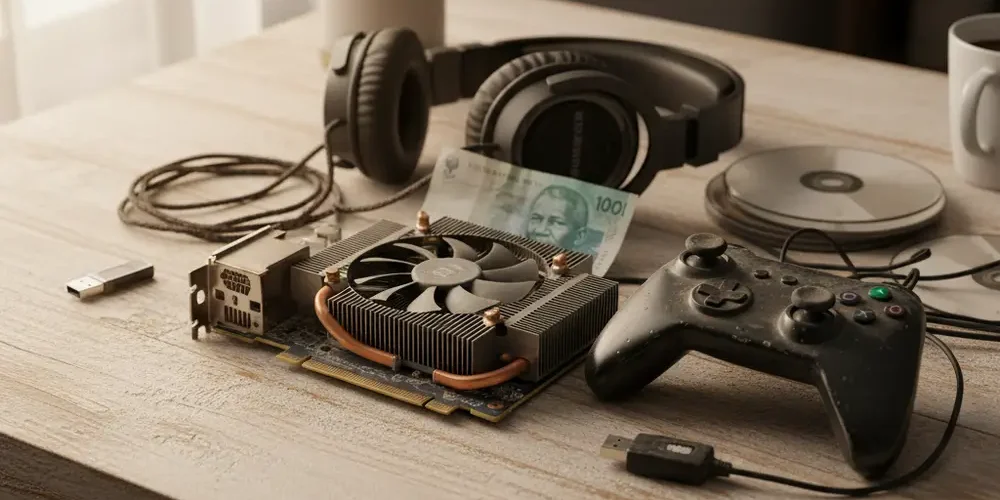
The South African used gaming equipment market has grown steadily as gamers upgrade rigs, cut costs, or move between PC and console gaming. Whether you are selling a GPU you no longer need or hunting for a bargain on a second-hand console, knowing where to list and how to stay safe can make the difference between a smooth deal and a costly mistake.
By the end of this guide you will know which local platforms suit different types of gaming hardware, how to spot a scam before it costs you money, and exactly what steps to follow whether you are the buyer or the seller.
Note for South Africa:
- Load shedding and rising hardware costs have pushed more South Africans into the second-hand electronics market, increasing both opportunity and risk.
- The Consumer Protection Act protects buyers purchasing from registered businesses, not from private individuals, so private sales carry more personal risk.
- Fake EFT proof of payment is one of the most commonly reported scams on South African classifieds platforms. Always verify in your banking app before handing over any goods.
At a glance:
- Specialist resellers like Sell Your PC offer the lowest-friction and most structured route for selling used tech.
- General classifieds (OLX, Gumtree, Facebook Marketplace) offer wider reach but carry higher scam risk.
- Never release goods until payment reflects in your actual bank account, not just on a screenshot.
- Private sales are not covered by the Consumer Protection Act, so due diligence falls entirely on you.
Key takeaways:
- Choose your platform based on speed, safety, and the type of equipment you are selling.
- Use the seller and buyer checklists in this article before every transaction.
- Know your reporting options if something goes wrong.
Why the Used Gaming Equipment Market in South Africa Is Growing
South Africa has a large and active gaming community, and the second-hand market for gaming gear reflects that. Frequent hardware generations, Rand volatility against the Dollar, and the high cost of new retail imports all push buyers and sellers toward peer-to-peer and reseller platforms.
Load shedding has also shifted some gamers away from power-hungry desktop rigs toward lower-wattage setups or console gaming, creating a steady supply of used PC parts entering the market. This is good news for buyers looking for value, but it also means more transaction volume and more opportunity for fraud.
The platforms available in South Africa range from specialist tech resellers to broad classifieds sites and informal community groups. Each comes with different levels of safety, reach, and convenience.
Top Platforms to Buy and Sell Used Gaming Gear in South Africa
The right platform depends on what you are selling, how quickly you want to close the deal, and how much risk you are comfortable managing. Here is how the main options compare.
| Platform Type | Best For | Safety Level | Speed to Sell |
|---|---|---|---|
| Specialist reseller (e.g. Sell Your PC) | GPUs, CPUs, full rigs, laptops | High – structured process | Fast, once quote accepted |
| OLX / Gumtree | Consoles, peripherals, full setups | Medium – user-managed safety | Moderate, depends on listing quality |
| Facebook Marketplace | Local casual sales, lower-value items | Lower – scam risk is elevated | Fast if priced competitively |
| Reddit / Discord / WhatsApp groups | Community-to-community sales | Variable – trust-based | Variable |
| Takealot Marketplace | Refurbished items sold by registered sellers | High – platform protection applies | Slower, requires seller registration |
Dedicated Tech Resellers Such as Sell Your PC
Specialist resellers are the most structured option for selling used gaming hardware in South Africa. You submit your item details, receive a quote, and hand over the equipment in exchange for a confirmed payment. There is no need to manage listings, negotiate with strangers, or worry about fake proof of payment.
For sellers, this route removes most of the friction and safety risk associated with private sales. For buyers, purchasing from a specialist reseller means the equipment has typically been assessed before resale. You can submit your items for a quote directly through Sell Your PC, or browse available stock in the Sell Your PC shop.
The trade-off is that you may receive slightly less than a private sale price in exchange for the speed, safety, and simplicity of the process.
General Classifieds and Marketplaces
OLX and Gumtree remain the most widely used general classifieds platforms in South Africa for second-hand goods. Both platforms have large audiences and are free to list on, which makes them attractive for sellers of consoles, controllers, monitors, and complete setups.
Facebook Marketplace has grown rapidly but carries a notably higher scam risk in the South African context, as reported consistently by MyBroadband security coverage. Fake profiles, false payment confirmations, and non-delivery fraud are frequently reported on the platform. The OLX South Africa safety tips page offers useful platform-specific guidance if you choose to list there.
General classifieds require you to manage your own safety. No platform guarantee protects you from a fraudulent private buyer or seller.
Community Forums and Groups
Reddit communities, Discord servers, and WhatsApp groups focused on South African gaming can be effective for reaching an engaged, knowledgeable audience. Deals within established communities often go smoothly because both parties have a shared reputation to protect.
The risk is that these groups have no formal dispute resolution, no payment protection, and no verification of members. Stick to these channels only when you have an existing relationship with the other party or can verify their identity and track record in the group.
How to Spot a Scam When Buying or Selling Used Gaming Equipment
Online marketplace fraud in South Africa follows predictable patterns. Knowing what to look for makes it significantly harder to be caught out. INTERPOL identifies several recurring fraud types in peer-to-peer online sales that apply directly to the local market.
The most common scams to watch for in South Africa include:
- Fake EFT proof of payment: The buyer sends a convincing-looking screenshot of a payment that was never made. Always log into your banking app and confirm the funds have cleared before releasing any item.
- Overpayment scam: A buyer "accidentally" sends more than the agreed amount and asks you to refund the difference. The original payment is later reversed, leaving you out of pocket.
- Courier fraud: A buyer insists on using their own courier and pays a deposit. The "courier" collects the goods, the payment is reversed, and both disappear.
- Non-delivery fraud: A seller accepts payment for goods they never intend to ship. Common on Facebook Marketplace and informal WhatsApp groups.
- Advance fee fraud: A buyer or seller asks for an upfront fee to release funds or secure a deal. Legitimate transactions do not work this way.
- Too-good-to-be-true pricing: A high-spec GPU or console listed well below market value is almost always either stolen or part of a scam.
The SABRIC annual crime statistics track digital payment fraud in South Africa and provide verified data on the scale of online fraud locally. Their reports confirm that fake payment confirmations and social engineering remain among the most effective tools used by fraudsters.
Safety and Security Tips for Sellers
How to List Your Item Safely Without Exposing Personal Information
Under POPIA (Protection of Personal Information Act), South Africans have rights around how their personal data is used and shared. When listing items online, you should be careful about what information you make publicly visible.
- Do not include your home address, ID number, or full name in public listings.
- Use a general area description (e.g. "Cape Town Southern Suburbs") rather than a specific street address.
- Create a separate email address for marketplace listings to reduce spam and limit your exposure.
- Use your first name only on listings rather than your full legal name.
- Never share banking details in a public listing, only via private message once a legitimate buyer is confirmed.
Safe Payment Methods and What to Avoid
EFT and cash remain the most common payment methods for private sales in South Africa. Both carry specific risks that sellers need to manage carefully.
- Bank EFT: Safest digital option, but always verify in your banking app that funds have cleared before handing over goods. Screenshots can be faked.
- Cash: Suitable for in-person transactions, but verify notes carefully and count in full before releasing the item.
- SnapScan or instant EFT: Faster confirmation than standard EFT, useful for lower-value items with trusted buyers.
- Cryptocurrency: Used occasionally in the SA tech community but comes with volatility risk. Only use if you understand the process.
- Avoid: Payment by cheque, third-party payment links, or any method the buyer insists on that you are unfamiliar with.
Safety and Security Tips for Buyers
How to Verify the Condition and Legitimacy of Used Gaming Hardware
Before agreeing to buy any used gaming hardware, take steps to verify both the item and the seller. Do not rely solely on photos or a seller description.
- Request a video call or live demonstration of the item working before agreeing to purchase.
- Check GPU and CPU specs using free tools like GPU-Z or CPU-Z if you can inspect the item in person.
- Ask for the original proof of purchase or packaging where possible.
- Search the seller’s profile across platforms to check for consistent identity and previous transaction history.
- Be cautious of recently created profiles with little or no history selling high-value items.
Meeting in Person: Safe Exchange Practices
In-person exchanges are the safest way to complete a private sale in South Africa, but the meeting location matters. Unsafe meeting choices have led to robberies and fraud in a small but real number of reported cases.
- Meet in a busy, well-lit public space such as a shopping centre or petrol station forecourt.
- Police station parking lots are an accepted and recommended meeting point in South Africa and deter bad actors.
- Bring a companion if you are carrying high-value equipment.
- Do not meet at your home or the buyer’s home for a first transaction.
- Complete the payment verification and item inspection at the meeting point before both parties leave.
Seller Checklist and Buyer Checklist
Seller Checklist
- Use a general area, not your home address, in the listing.
- Use your first name only and a separate email address.
- Photograph the item thoroughly, including serial numbers for your own records.
- Agree on a price before sharing payment details.
- Share banking details only via private message, never in a public listing.
- Verify payment in your actual banking app before releasing the item, not from a screenshot or SMS.
- Meet in a public space or at a police station for in-person handovers.
- Keep a record of the buyer’s contact details and the agreed transaction in writing.
Buyer Checklist
- Check the seller’s profile age and transaction history before proceeding.
- Request a live video or in-person demonstration of the item working.
- Ask for original proof of purchase or any available documentation.
- Confirm the item’s specs match the listing before completing payment.
- Pay by bank EFT or cash at handover. Avoid advance deposits to unknown sellers.
- Meet in a safe, public location and inspect the item fully before paying.
- Keep records of all communication and the agreed transaction details.
What to Do If Something Goes Wrong
If you have been defrauded in an online transaction in South Africa, you have several reporting options. Acting quickly improves the chance of recovering funds or preventing the fraudster from targeting others.
- Report to SAPS: Open a case at your nearest police station. Request a case number for any follow-up or insurance claim.
- Contact your bank immediately: Banks have fraud divisions that can sometimes reverse or flag suspicious transactions if reported promptly.
- Report to the platform: OLX, Gumtree, and Facebook Marketplace all have fraud reporting mechanisms. This helps remove fraudulent accounts.
- Contact the National Consumer Commission (NCC): If you purchased from a registered business that did not deliver or misrepresented goods, the NCC can assist under the Consumer Protection Act.
- Note on private sales: Private peer-to-peer transactions fall under common law, not the Consumer Protection Act. Legal recourse exists but is more limited and typically requires civil action.
It is worth understanding the distinction clearly. The Consumer Protection Act applies to registered businesses, not to private individuals selling their own goods. If you buy from a private seller and something goes wrong, the CPA does not give you the same automatic remedies.
Common Mistakes to Avoid
- Releasing goods based on a payment screenshot instead of verifying in your banking app.
- Listing your home address or full name in a public classifieds post.
- Agreeing to a buyer’s insistence on using their own courier without any protection for the seller.
- Paying a deposit to a stranger before inspecting or receiving the item.
- Trusting a newly created profile selling high-value equipment at a suspiciously low price.
- Skipping in-person verification on expensive items because "the seller seems legit online."
If You Are New to Buying or Selling Used Gaming Gear
- Start with lower-value items to build experience and confidence before trading high-value hardware.
- Use a structured reseller like Sell Your PC for your first sale if you want a guided, low-risk process. Visit the sell your items page to get started.
- Read the platform safety tips before listing anything on OLX or Gumtree.
- Only meet in public spaces and always bring someone with you.
- Never feel pressured to complete a transaction quickly. Urgency is a common scam tactic.
If You Have Bought or Sold Used Gear Before
- Revisit your listing habits. Are you still sharing too much personal information in public posts?
- Consider using a specialist reseller for higher-value items like GPUs or full rigs to reduce your exposure.
- Stay updated on new scam types. Fraud tactics evolve and the methods used in 2024 are not identical to those from two years ago.
- If you sell frequently, consider a consistent set of listing templates and a dedicated selling email address to reduce risk and save time.
- Check the Sell Your PC insights blog regularly for updated guidance on the local used tech market.
Final Verdict: Which Platform Is Best for Buying and Selling Used Gaming Equipment in SA?
There is no single answer that fits every seller or buyer. The right platform depends on what you are selling, how much time you want to invest, and how much risk you are willing to manage personally.
For speed and safety with tech-specific hardware, a specialist reseller is the most sensible first choice. For broader reach on consoles, peripherals, or complete setups, OLX or Gumtree are reasonable options if you follow the safety steps outlined in this article. Facebook Marketplace can work for casual, lower-value items but demands more caution.
Whatever platform you choose, the checklists in this article apply. No platform eliminates risk entirely. The habits you bring to every transaction are your best protection. If you have questions about selling your gaming or PC hardware, you are welcome to contact the Sell Your PC team directly.
Frequently asked questions
Is it safe to sell gaming equipment on Facebook Marketplace in South Africa?
Facebook Marketplace can be used safely but carries a higher scam risk than structured resellers or verified classifieds. Fake payment confirmations and fraudulent profiles are commonly reported in South Africa. Always verify payment in your bank before releasing goods and meet in a public space.
Does the Consumer Protection Act protect me if I buy from a private seller?
No. The Consumer Protection Act applies to transactions involving registered businesses, not private peer-to-peer sales. If you buy from a private individual and the item is faulty or the sale is fraudulent, your recourse falls under common law rather than the CPA. This is why due diligence before the transaction matters so much.
What is the safest payment method for a private sale in South Africa?
Bank EFT verified in your banking app before handover is the most commonly used and generally reliable option for private sales. Cash at the point of handover is also acceptable for in-person transactions. Avoid payment methods you are unfamiliar with or that the buyer insists on without explanation.
What should I do if I receive a fake proof of payment?
Do not release the goods. Log into your banking app immediately to confirm whether the payment has actually reflected. If you suspect fraud, report it to your bank’s fraud line, open a case with SAPS, and report the user to the platform. Acting quickly gives you the best chance of limiting the damage.
Can I sell used gaming hardware through Sell Your PC?
Yes. Sell Your PC is a South African specialist reseller that accepts used PC components, laptops, and related tech hardware. You can submit your items for a quote through the sell your items page and receive an offer without having to manage listings or deal with unknown buyers directly.
Summary
- Specialist resellers offer the safest and simplest route for selling used gaming hardware in South Africa.
- General classifieds like OLX and Gumtree work well but require you to manage your own safety and payment verification.
- Fake EFT proof of payment is the most common scam to guard against. Always verify in your banking app.
- Private sales are not covered by the Consumer Protection Act. Your due diligence is your only protection.
- Use the seller and buyer checklists in this article for every transaction, regardless of the platform you choose.
This is educational content, not financial advice.

