
Sell used goods online safely
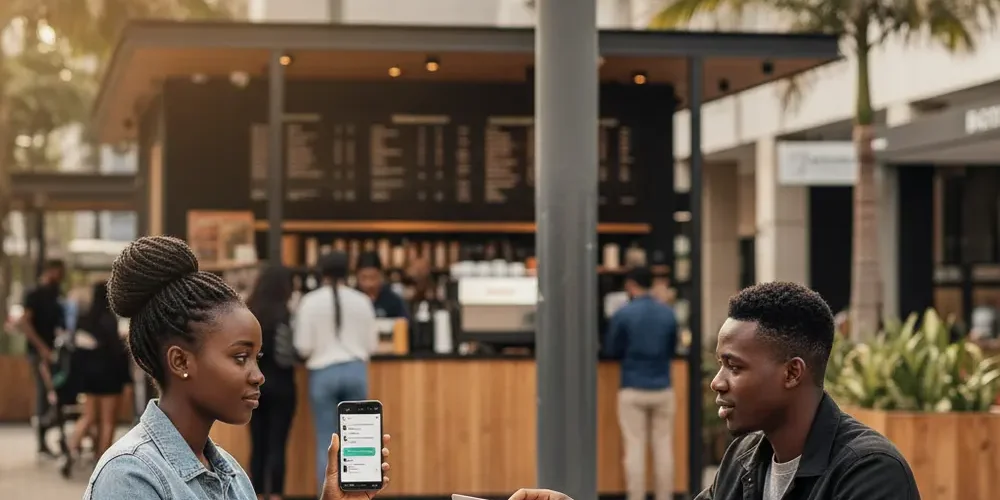
Selling used goods online can be quick, but it is also where many South Africans lose money or property through avoidable scams. A safe sale is less about luck and more about clear rules you follow every time.
By the end of this article you will have a simple checklist for listing, messaging, payment verification, and handover. You will also know when to stop the deal and choose a safer buyer, even if it costs you a day or two.
Note for South Africa:
- Proof of payment scams are common, only hand over when money reflects as cleared in your account.
- Load shedding can affect testing, plan for power and use a short video demo as backup evidence.
- Do not share ID photos, bank logins, or OTPs, POPIA and basic fraud hygiene both matter.
At a glance:
- Set boundaries in your listing, where to meet, how you accept payment, and what you will not do.
- Keep chat on-platform until you have screened the buyer, then confirm identity with minimal data.
- Verify payment by checking your own banking app, not a screenshot, and do not refund overpayments.
- Use a structured handover plan, public place, daytime, bring a friend, and record serial numbers and condition.
Key takeaways:
- If you feel rushed, it is usually a scam signal, slow down or walk away.
- Funds cleared in your account beats any proof-of-payment message or PDF.
- Good paperwork and privacy habits reduce disputes after the sale.
Where online selling goes wrong most often in South Africa (quick risk map)
Most losses happen in the last 10 percent of the deal, payment and handover. Scammers aim to create urgency, move you off-platform, then use a fake confirmation to get the item released.
Think of risk in three layers, your listing, your chat, and your handover. If you tighten each layer, the scammer usually self-selects out.
- Listing risk: you reveal too much, accept vague terms, or look easy to pressure.
- Messaging risk: you agree to WhatsApp too early, or you accept strange stories and urgency.
- Payment risk: you trust screenshots, emails, PDFs, or a buyer who claims the bank is slow.
- Handover risk: you meet alone, at night, at your home, or you allow long inspections without control.
If you sell higher-risk items like laptops, phones, GPUs, or mining gear, the same pattern applies but the stakes are higher. These items are easy to grab, easy to resell, and easy to dispute later if you have no record.
Common mistakes
- Handing over the item because you received a proof of payment screenshot.
- Refunding an overpayment before the original payment is cleared.
- Meeting at your home because it feels convenient.
- Clicking a courier or payment link sent by a stranger.
- Sharing your ID photo or bank account login details on WhatsApp.
If you’re new
- Start with low-value items to learn the flow and the red flags.
- Use one platform and one payment rule until it becomes habit.
- Write your handover script in advance, what you will check, what you will record, what you will say no to.
- Meet in public, in daylight, and bring someone with you.
If you have done this before
- Do not rely on experience alone, scammers change tactics and target confident sellers.
- Upgrade your records, photos, serial number notes, and a simple receipt per sale.
- Standardise your payment checks, cleared funds only, no exceptions.
- Review your privacy habits, especially what you forward, screenshot, or store in chat logs.
Before you list, reduce risk with better listings and better boundaries
A good listing prevents many bad buyers from contacting you. Your goal is not maximum enquiries, it is high-quality enquiries.
Set the rules in the listing so you do not negotiate safety later. If the buyer cannot accept basic boundaries, you saved time.
- State your handover preference, for example public meetup or in-store style location, not home pickup.
- State payment rules, for example EFT only once funds reflect, or cash with exact amount at handover.
- State that you will not accept proof of payment as confirmation.
- State a time window for meetups, daytime only where possible.
- Keep your location general, suburb, not your street address.
If you want a more managed option for tech gear, you can also use a structured selling process via Sell Your Items and ask questions via Contact Us before committing to a risky private meetup.
Photos, serial numbers, and what not to show in a listing
Photos help you sell, but they can also expose personal information. Treat your images like public documents that can be copied.
- Photograph the item clearly from multiple angles, including any existing cosmetic marks.
- Do not show documents, addresses, car number plates, or anything that links your identity to your home.
- For electronics, avoid showing full serial numbers publicly, you can record them privately and share a partial number at handover.
- For phones and laptops, do not show your email address, account name, or lock screen notifications.
Record your own proof pack privately before you list. Take dated photos, note the serial number, and keep a short video of the device powering on and basic functions working, especially useful if load shedding disrupts testing later.
Messaging rules that prevent most scams
Messaging is where you qualify the buyer. Your aim is to identify whether they can follow simple instructions without drama.
Platforms often recommend staying on-platform early, because it reduces impersonation and makes reporting easier. Gumtree and Facebook both warn about scam approaches and encourage reporting suspicious activity in their own help guidance Gumtree safety tips for sellers and Facebook Marketplace scam guidance.
- Ask one or two specific questions, for example when they can meet and how they plan to pay.
- Reply with your rules, do not debate, either they accept or they do not.
- Keep screenshots of the key agreement points, price, item, date, and payment method.
- Avoid sharing extra personal data, your ID number, date of birth, and banking passwords are never needed.
If a buyer is genuinely interested, they can work within a simple process. If they are pushing for exceptions, they are testing your boundaries.
Red flags, urgency tactics, and requests to move off-platform
Urgency is the most common manipulation tool. It makes you skip verification steps that would normally protect you.
- They insist on WhatsApp immediately, with no practical reason, or they refuse to use in-app chat.
- They claim someone else will collect, a driver, cousin, or courier, and you must hand over fast.
- They send long stories about a medical emergency, flight, or last-minute gift, then pressure you to accept a screenshot.
- They offer more than asking price if you hold the item, then introduce complex payment steps.
- They ask you to click a link, open a PDF, or scan a QR code to receive money.
When you see two or more red flags together, stop. You can simply say you are not comfortable and end the chat.
Payment safety, proof-of-payment scams, refunds, and chargebacks
Payment is where sellers most often lose both the item and the money. The core rule is simple, do not hand over until you independently confirm payment.
South African banks and industry bodies warn about scams that rely on fake or altered confirmations and pressure to refund or release goods. See bank guidance on deposit and refund scam patterns from Standard Bank and Nedbank verify payment has cleared and never rely on proof of payment alone.
| Payment option | Good for | Main risk | Seller rule |
|---|---|---|---|
| Cash | Local handover | Counterfeit, safety risk | Meet in public, count cash, do not meet at night |
| EFT | Higher values | Fake proof of payment | Only hand over once funds reflect in your account |
| Instant payment | Same-day meetups | Confusion about status | Confirm in your own app, not via buyer messages |
| Card or QR links | Usually avoid privately | Phishing and link scams | Do not click links, use your own bank app only |
Be careful with any method that requires you to follow a link, open an attachment, or enter credentials. Nedbank’s cybercrime guidance highlights how links and attachments can be used for phishing or malware avoid suspicious attachments.
- Never accept: a screenshot as final proof, an emailed PDF, or a message that says payment is pending but will clear soon.
- Never do: a refund because the buyer claims they paid too much, or because they used the wrong account.
- Prefer:
If the buyer pushes back on this, the deal is not worth it. A real buyer can wait for clearance.
What "funds cleared" should mean in practice, and what to screenshot for your records
Funds cleared means the money is visible in your account balance or transaction list in a way your bank treats as available. It does not mean the buyer says it is done, or a notification says processing.
If you are unsure how your bank displays pending vs cleared, pause the deal and phone your bank using a number from the official website, not a number sent by the buyer. Do not let a stranger define what "cleared" means for you.
- Screenshot your own transaction list showing the incoming payment, amount, and reference.
- Screenshot the chat where the buyer confirms the item, price, and collection time.
- Take a photo of the buyer with the item at handover if both parties consent, otherwise take a photo of the item in the handover location.
- Create a simple receipt with names, date, item description, serial number where relevant, and sold as-is terms.
Also keep your own copy of the listing text. It can help if there is a later dispute about what was disclosed.
Safe handover plan for meetups, home pickups, and couriers
The safest handover is public, predictable, and quick. Choose a place with people, cameras, and easy exit routes.
If possible, meet near a mall entrance, a busy coffee shop, or another supervised environment. If you need to test electronics, choose a spot with power and seating, but keep control of the item.
- Meet in daylight, and avoid late-night collections.
- Bring a friend, or tell someone exactly where you are going and when you will be done.
- Do not allow the buyer to walk away with the item to test it, keep it on the table within reach.
- For laptops and phones, show basic functions quickly, then proceed to payment confirmation and handover.
- If load shedding is likely, bring a charged power bank or run a quick pre-recorded demo video.
Home pickup increases personal risk and exposes your address. If you do it anyway, do not meet alone, keep the item near the door, and do not let strangers wander through your home.
If the buyer wants delivery, how to avoid fake courier and link scams
Delivery changes the risk profile because you lose control of the item before you know the buyer is real. Many scams use fake courier bookings and phishing links to make you believe a pickup is arranged or a payment is waiting.
- Do not click courier booking links sent by the buyer, book couriers yourself using official websites you type in manually.
- Do not scan QR codes sent by a buyer to receive money, treat them as potentially malicious.
- Only ship after funds are cleared in your account, not after a booking confirmation.
- Photograph the item, the serial number, and the packaging before it leaves your hands.
- Use tracking, and keep the waybill and proof of drop-off.
General anti-phishing habits matter here. SARS publishes clear scam and phishing warning signs that translate well to marketplace link scams phishing and scam warning signs.
After the sale, privacy, fraud reporting, and basic legal reality checks (CPA, voetstoots, POPIA)
After the sale, your main job is to reduce future disputes and protect your identity. The more valuable the item, the more disciplined you should be about records.
From a privacy perspective, do not keep or share more personal information than needed. The Banking Association also warns against sharing sensitive details like OTPs and unnecessary personal info in scam contexts never share OTP.
- Factory reset devices, remove accounts, and sign out of all services before handover.
- Keep your receipt and proof pack for a reasonable period in case of later allegations.
- Do not send your ID document photo to a buyer, and do not accept a buyer’s ID photo as a safety guarantee.
- If you must verify a name for a receipt, keep it minimal and avoid storing documents in WhatsApp media folders.
On legal expectations, private second-hand sales often work differently from buying from a shop. The Consumer Protection Act is generally discussed as applying when a seller acts in the ordinary course of business, while private sales may not fit that definition, and voetstoots style terms may come into play, but this area can be nuanced and fact-specific, so keep your statements cautious and get legal advice if the stakes are high, see this overview as a starting point only CPA and second-hand goods.
If you suspect a scam attempt, report it to the platform immediately and block the user. If you have already been scammed, contact your bank’s fraud line as fast as possible, then open a case with SAPS and keep all chat logs, phone numbers, and proof of any transfers.
If the item you sold is business equipment or you need a safer disposal path for bulk devices, consider professional routes like Corporate IT Asset Disposal rather than ad hoc one-on-one sales.
One-page safety and security checklist (copy into Notes)
Use this as your repeatable process. The goal is to remove improvisation, which is where pressure wins.
1) Listing hygiene
- Write your rules, meetup location type, daytime preference, and payment rule.
- Use clear photos, but hide personal details and avoid showing full serial numbers publicly.
- Record serial numbers privately and save a short working video for electronics.
- Keep your location broad, suburb only.
2) Messaging rules
- Keep chat on-platform until you are comfortable with the buyer.
- Ask specific questions, time, payment method, who is collecting.
- Decline urgency, stories, and requests to break your rules.
- Do not share ID photos, bank logins, or OTPs.
3) Payment verification steps
- Check your own banking app for the incoming payment, do not trust screenshots.
- Only proceed when funds reflect as cleared and available.
- Do not refund overpayments or payment mistakes, tell the buyer to resolve it with their bank.
- Do not click payment links or open unknown attachments.
4) Meetup plan
- Public place, cameras, people, and good lighting.
- Daytime where possible, bring a friend.
- Control the item during inspection, no walking away with it.
- Plan for load shedding, charge devices, bring a power bank, keep a demo video.
5) Handover proof pack
- Screenshot your cleared payment record and the final chat agreement.
- Take condition photos at handover, including any scratches or marks.
- Sign a simple receipt with item description and serial number where relevant.
- For phones and laptops, confirm factory reset and account removal before they leave.
Stop and walk away if…
- They pressure you to hand over before payment reflects in your account.
- They want you to refund an overpayment or "reverse" a payment.
- They send links, QR codes, or attachments to "get paid".
- They insist a third party will collect and you must act immediately.
- Your gut says something is off and they will not accept basic rules.
Frequently asked questions
Is a proof of payment ever enough to hand over?
No, treat it as a message, not confirmation. Only hand over when you can see the money reflected in your own account in a cleared and available form.
Should I move to WhatsApp to make the sale faster?
Moving off-platform early removes useful protection and makes impersonation easier. Keep the conversation on-platform until the buyer has accepted your rules and you are ready to schedule a controlled meetup.
What is the safest place to meet a buyer?
A public place with people, cameras, and easy exits is usually safer than a private home. Meet in daylight where possible, and bring someone with you for higher-value items.
How do I sell a laptop, phone, or mining device without disputes later?
Document condition, record serial numbers privately, and keep a short video of basic working functions. Do a factory reset, remove accounts, and use a simple receipt that matches the listing description.
What should I do immediately if I think I have been scammed?
Stop communication, contact your bank’s fraud line quickly, then report the user to the platform and open a SAPS case. Save the listing, chat history, numbers, and any transaction references before anything gets deleted.
Quick closing summary
- Write safety rules into your listing so you do not negotiate under pressure.
- Keep chats simple and on-platform early, screen for boundary testing.
- Confirm payment in your own banking app, cleared funds only.
- Meet in public, in daylight, and keep control of the item during inspection.
- Keep a proof pack, serial numbers, condition photos, and a simple receipt.
This is educational content, not financial advice.

